Blog

Farmvina

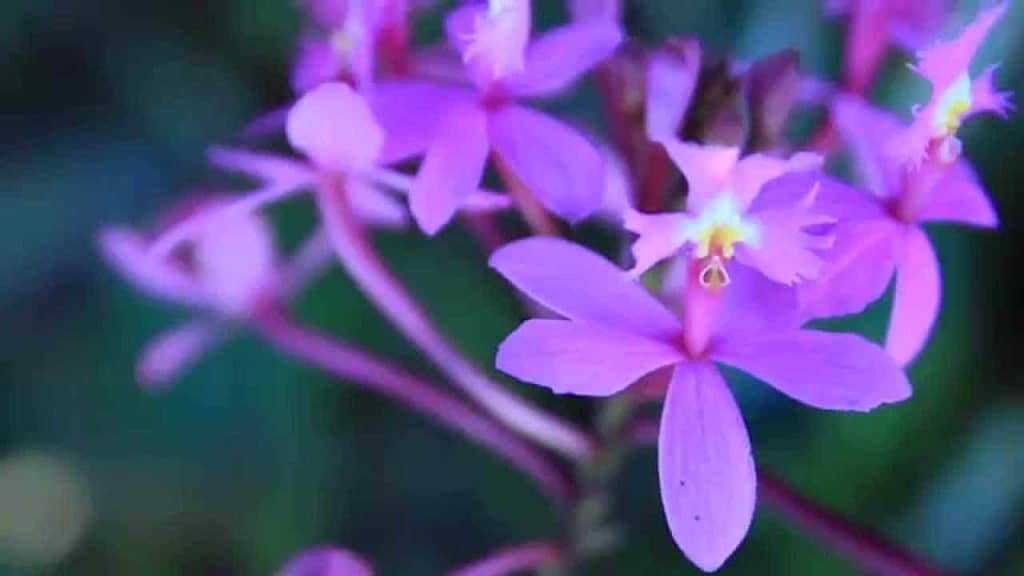
Epidendrum orchid

Epidendrum Orchid: What you need to know

Epidendrum Orchid Care: The Basics Epidendrum orchid (eh-pee-DEN-drum) is one of the earliest established genera of orchids with well over 1,000 different species. Some species are found growing at sea level, while others thrive in higher elevations up in the mountains. Most Epidendrums have reed-like stems that are fairly similar in appearance to the Dendrobium orchid’s cane ...

Farmvina

Different Types of Weaving

A Guide to the Different Types of Weaving: Explore Today!

Weaving is an ancient art form that has been practiced for thousands of years. It involves the interlacing of threads to create textiles, and it has played a significant role in human history and culture. Understanding the different types of weaving is important because it allows us to appreciate the intricacies and beauty of this ...

Farmvina

Cattleya Orchid

Cattleya Orchid: What you need to know

Cattleya Orchid Care: The Basics Cattleya (KAT-lee-ah) orchids have been popular plants for home growers for a long time. The Cattleya is a genus that has over 100 species and numerous hybrids which range in bloom size, color, and smell. Cattleyas are sometimes referred to as “Queen of Flowers” because of their big showy blooms ...

Farmvina

wild orchids

Wild Orchids in North America: How many do you know?

Native wild Orchids North America is full of wonderful wild orchids. No matter where you live or travel to, there are bound to be some orchid species native to the area. Many species are very showy and easy to spot, while others are very discreet and very easily overlooked. A great way to familiarize yourself ...

Farmvina

Orchid Diseases: Understand Your Orchid’s Health

Common Orchid Diseases Is your orchid sick? There are many different reasons why your orchid may not be in great health, and a few symptoms can be signs of a much larger overall problem… Cymbidium Mosaic Virus and Odontoglossum Ringspot Virus are two different types of orchid diseases. Cymbidium Mosaic Virus appears on the flower ...

Farmvina

orchid fertilizer

Orchid Fertilizer: What you need to know?

Everything You Need To Know About Orchid Fertilizer … When orchids are grown in the wild, they are able to acquire nutrients in their environment from whatever crosses their path of growth. They can gain nutrients from a number of things, including but not limited to, animal feces; decomposing animals, leaves, and vegetation; or minerals ...

Farmvina

 farm work

Farm Work: Unveiling the Secrets of Agricultural Success

Farm work is an essential part of our society, providing numerous benefits to individuals and communities. From physical fitness and health to skill development and a connection with nature, it offers a unique and rewarding experience. In this article, we will explore the various benefits, the different types available, the challenges that come with it, ...

Farmvina

light for orchid

Orchids Care & Light: How Much is Enough?

Is Your Orchid Getting Enough Light? As I talk about on our website about orchid care, many different varieties of orchids can successfully be grown inside your home with the right amount of light exposure. The amount of light intensity your orchid receives is crucial for it to flourish and bloom year after year. It ...

Farmvina

backyard compost

Backyard Compost: How to make your own easily?

Homesteading is all about providing for yourself; making your own backyard compost is also one of the major parts of urban homesteading. Backyard composting, often referred to as home composting, is the practice of recycling organic waste from your household and yard to create nutrient-rich compost in your own backyard. It involves collecting a mix ...

Farmvina

feeding the hive

Feeding The Hive: How to start?

One of the first things you may need to think about when considering beekeeping is how easy they would be to keep. Do they need constant care? What are the disease risks for the bees? Will I have predator problems? What about weather and seasonal changes? Today, let’s explore how to feeding the hive! The ...