For online produce sales, consider top-rated e-commerce platforms like Shopify, BigCommerce, or WooCommerce, or specialized farm-to-table platforms like Local Line or Barn2Door, ensuring reliable hosting, secure payment processing, and features tailored to fresh food sales.
In today’s digital age, the importance of online sales for farms cannot be overstated. With the rise of e-commerce and the increasing reliance on technology for purchasing goods, having an online presence is crucial for reaching a wider customer base and maximizing sales potential.
Online sales provide farms with the opportunity to connect with consumers who may not have access to local markets or farm stands, as well as those who prefer the convenience of shopping from the comfort of their own homes. Additionally, online sales allow farms to showcase their products to a global audience, opening up new avenues for growth and revenue.
Furthermore, online sales can help farms diversify their revenue streams and reduce their reliance on traditional sales channels. By tapping into the online market, farms can mitigate the impact of factors such as inclement weather, seasonal fluctuations, and local economic conditions that may affect in-person sales.
Key Takeaways
- Online sales are important for farms to reach a wider customer base and increase revenue.
- Different hosting options for online produce sales offer various benefits, so it’s important to evaluate them carefully.
- Choosing the right e-commerce platform is crucial for meeting your farm’s specific needs and goals.
- Social media and direct website hosting can be powerful tools for reaching customers and driving sales.
- Leveraging online farmers’ markets and aggregator platforms can increase visibility and sales for your farm’s produce.
Evaluating the Benefits of Different Hosting Options for Online Produce Sales
When it comes to hosting options for online produce sales, farms have a variety of choices to consider. One popular option is to use an e-commerce platform such as Shopify, WooCommerce, or BigCommerce.
These platforms offer a range of features and customization options that can help farms create a professional and user-friendly online store. They also provide tools for managing inventory, processing payments, and tracking orders, making it easier for farms to streamline their online sales operations.
Another hosting option to consider is social media and direct website hosting. Social media platforms like Facebook and Instagram offer built-in e-commerce capabilities that allow farms to showcase their products and facilitate transactions directly through their social media profiles.
Additionally, farms can also opt to host their own website and integrate e-commerce functionality using platforms like WordPress or Squarespace. This gives farms more control over their online presence and allows them to create a unique and branded shopping experience for their customers.
Best WordPress hosting options for farmers:
| Hosting Provider | Best For | Pricing | Features | Pros | Cons |
|---|---|---|---|---|---|
| SiteGround | Overall Performance & Customer Support | Starts at $3.99/month | Fast loading times, free SSL, daily backups, 24/7 support | Excellent performance, top-notch customer support, user-friendly interface | Slightly higher price than some competitors |
| Bluehost | Beginners & Budget-Friendly | Starts at $2.95/month | Free domain name, one-click WordPress install, unmetered bandwidth | Affordable, easy to use, reliable uptime | Limited features on basic plans |
| WP Engine | Managed WordPress Hosting for Scalability | Starts at $25/month | Automatic updates, daily backups, staging environment, security features | High performance, excellent security, top-tier support | More expensive than other options |
| DreamHost | Unlimited Resources & Month-to-Month Plans | Shared hosting starts at $2.59/month | Unlimited bandwidth and storage, free SSL, free domain privacy, 100% uptime guarantee | Generous resource allocation, flexible billing options | Customer support can be slow |
| GreenGeeks | Eco-Conscious Hosting | Starts at $2.95/month | Renewable energy credits, free SSL, nightly backups, free website migration | Environmentally friendly, reliable uptime, good value for money | Limited features on basic plans |
Choosing the Right E-commerce Platform for Your Farm’s Needs
When choosing an e-commerce platform for online produce sales, it’s important for farms to consider their specific needs and goals. Factors to consider include the platform’s ease of use, customization options, pricing structure, and integration with other business tools.
Farms should also assess the platform’s scalability and ability to support their growth over time. Additionally, it’s important to consider the platform’s security features and compliance with industry standards to ensure the safety of customer data and transactions.
For farms looking to maximize their online sales potential, it’s also important to choose a platform that offers robust marketing and analytics tools. This can help farms track customer behavior, optimize their marketing efforts, and make data-driven decisions to improve their online sales performance.
Furthermore, farms should also consider the platform’s customer support options and community resources, as having access to reliable support can be crucial for resolving technical issues and getting the most out of the platform’s features.
| Platform | Best For | Pricing | Features | Considerations |
|---|---|---|---|---|
| Shopify | Larger farms, wide product range, nationwide shipping | Basic: $29/month, Advanced: $299/month | Customizable storefronts, inventory management, marketing tools, shipping integrations | Requires some technical knowledge for customization, higher cost for advanced features |
| BigCommerce | Growing farms, international sales, multi-channel selling | Standard: $29.95/month, Plus: $79.95/month | Robust SEO tools, abandoned cart recovery, multiple payment gateways, scalable for growth | Steeper learning curve, pricing increases with sales volume |
| WooCommerce (WordPress plugin) | Tech-savvy farmers, flexible customization, budget-friendly | Free (plugin), hosting and additional extensions vary in cost | Extensive customization options, vast library of plugins and themes, integrates with WordPress | Requires technical skills for setup and maintenance, potential for higher costs with add-ons |
| Local Line | Small to medium farms, local sales, community focus | Varies depending on features and number of products | CSA management, online ordering, delivery/pickup options, customer communication tools | Limited customization options, focused on local markets |
| GrazeCart | Farms selling meat by variable weight, local delivery and pickup | Starts at $29/month | Inventory management for variable weights, order fulfillment tools, customer relationship management | Niche platform for meat producers, limited customization options |
| Barn2Door | Farms focused on direct-to-consumer sales, subscription boxes | Custom pricing based on needs | Marketing and sales tools, website builder, subscription management, customer analytics | Higher cost for comprehensive features, geared towards larger farms |
Exploring the Potential of Social Media and Direct Website Hosting for Online Sales
| Hosting Options | Features | Cost |
|---|---|---|
| Shopify | Easy to use, customizable templates, integrated payment options | Starting at 29/month |
| Wix | Drag-and-drop website builder, customizable designs, integrated e-commerce | Starting at 23/month |
| Squarespace | Professional templates, built-in SEO tools, integrated online store | Starting at 18/month |
Social media and direct website hosting offer unique opportunities for farms to engage with customers and drive online sales. Social media platforms provide a powerful channel for farms to showcase their products, share engaging content, and interact with their audience in a more personal and direct manner.
By leveraging social media features such as shoppable posts, stories, and live video, farms can create a dynamic and immersive shopping experience that encourages customer engagement and conversion.
In addition to social media, hosting a direct website can give farms more control over their online sales strategy and branding. With a dedicated website, farms can create a cohesive and professional online storefront that reflects their unique identity and values.
This can help build trust with customers and differentiate the farm from competitors. Furthermore, hosting a direct website allows farms to implement custom features and integrations that are tailored to their specific needs, providing a more tailored and seamless shopping experience for customers.
Leveraging Online Farmers’ Markets and Aggregator Platforms for Increased Visibility
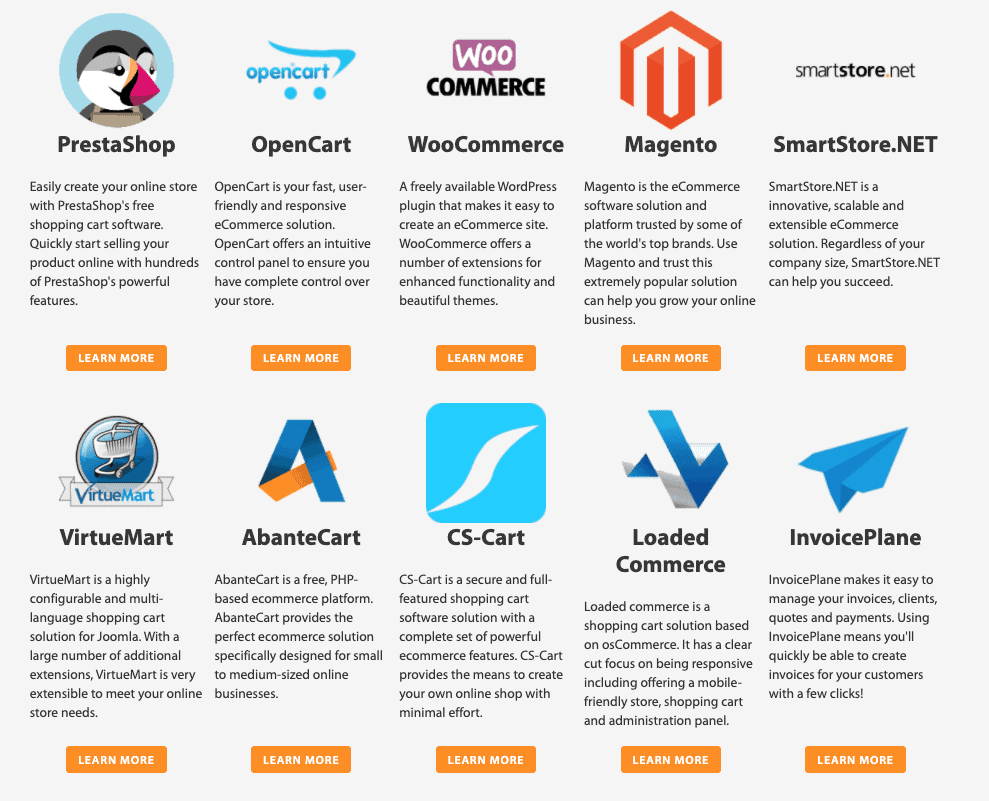
Online farmers’ markets and aggregator platforms offer farms the opportunity to reach a wider audience and increase visibility for their products.
These platforms bring together multiple farms and producers in one centralized marketplace, making it easier for consumers to discover and purchase a variety of locally sourced products in one place. By participating in these platforms, farms can benefit from increased exposure and access to a larger customer base that may not have been reachable through traditional sales channels.
Furthermore, aggregator platforms often provide marketing and promotional support to help farms stand out and attract customers. This can include features such as product showcases, curated collections, and targeted advertising campaigns that help farms gain traction in the competitive online marketplace.
Additionally, aggregator platforms may also offer logistical support such as order fulfillment and shipping services, making it easier for farms to expand their reach without having to manage all aspects of the sales process on their own.
Integrating Payment and Shipping Options for Seamless Online Produce Sales
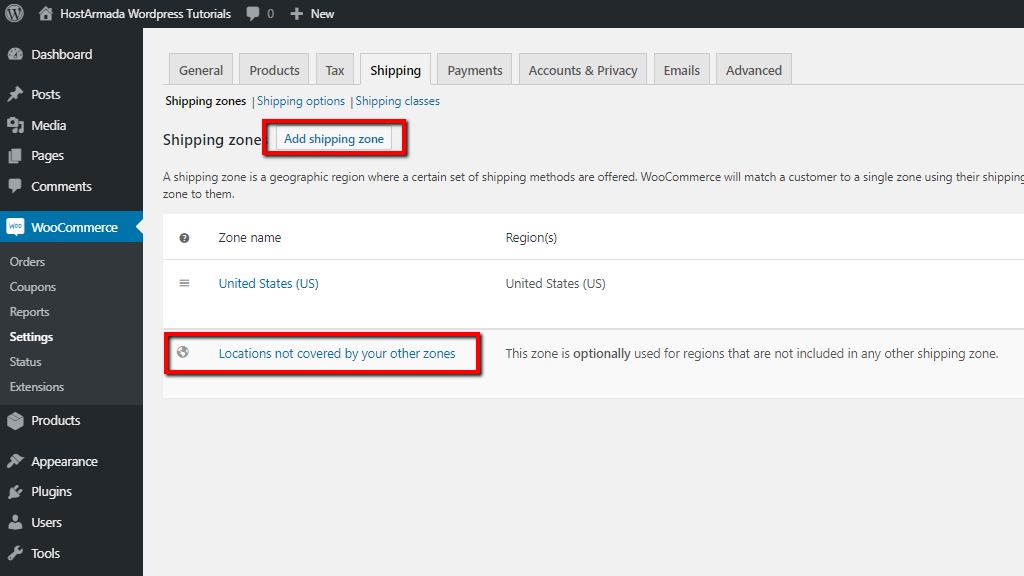
To maximize the potential of online produce sales, farms must ensure that they have seamless payment and shipping options in place. Providing multiple payment methods such as credit cards, digital wallets, and alternative payment solutions can help farms cater to a wider range of customers and reduce barriers to purchase.
Additionally, integrating secure payment processing solutions is crucial for protecting customer data and instilling trust in the online shopping experience.
In terms of shipping options, farms should consider offering flexible delivery methods such as local pickup, home delivery, or shipping to accommodate different customer preferences. Farms should also optimize their shipping processes to ensure timely delivery and minimize shipping costs.
This may involve partnering with reliable shipping carriers, implementing order tracking systems, and optimizing packaging to reduce waste and protect products during transit.
By providing a seamless and convenient shopping experience from purchase to delivery, farms can enhance customer satisfaction and encourage repeat purchases.
Maximizing Your Farm’s Potential: Tips for Success in Online Produce Sales
In order to succeed in online produce sales, farms should prioritize building strong relationships with customers through personalized communication and exceptional service.
This can involve engaging with customers through social media, email marketing, or live chat to provide product recommendations, answer questions, and address concerns in a timely manner. By fostering a positive customer experience, farms can build loyalty and advocacy among their customer base.
Furthermore, farms should continuously optimize their online store by monitoring performance metrics, testing different strategies, and implementing improvements based on customer feedback.
This can involve A/B testing product descriptions, images, pricing strategies, or promotional offers to identify what resonates best with customers. Additionally, farms should stay informed about industry trends and consumer preferences to adapt their product offerings and marketing strategies accordingly.
Conclusion
In conclusion, maximizing your farm’s potential through online produce sales requires careful consideration of hosting options, e-commerce platforms, marketing strategies, payment processing, shipping logistics, and customer engagement.
By leveraging the right tools and strategies, farms can expand their reach, increase visibility, drive sales, and build lasting relationships with customers in the digital marketplace.
With the right approach, online produce sales can become a valuable revenue stream that complements traditional sales channels and helps farms thrive in an increasingly competitive market.
FAQs
What are the top hosting options for online produce sales?
The top hosting options for online produce sales include e-commerce platforms such as Shopify, WooCommerce, and BigCommerce, as well as custom-built websites and marketplaces like Amazon and Etsy.
What factors should be considered when choosing a hosting option for online produce sales?
When choosing a hosting option for online produce sales, factors to consider include the cost of the platform, ease of use, customization options, integration with payment gateways, shipping options, and customer support.
How can e-commerce platforms benefit farmers selling produce online?
E-commerce platforms can benefit farmers selling produce online by providing a user-friendly interface for setting up an online store, integrated payment and shipping options, marketing tools, and the ability to reach a wider customer base.
What are the advantages of using a custom-built website for selling produce online?
Using a custom-built website for selling produce online allows farmers to have full control over the design and functionality of their online store, as well as the ability to create a unique brand identity and customer experience.
What are the potential drawbacks of using marketplaces like Amazon and Etsy for selling produce online?
While marketplaces like Amazon and Etsy offer a large customer base and built-in traffic, they also come with fees and competition from other sellers. Additionally, farmers may have less control over branding and customer relationships on these platforms.
Originally posted 2024-07-05 15:33:25.